A Little Analysis of the Regional Stage
Мы загрузимся через одно мгновение!
Dear friends! I haven't told you anything because I was ill. But first I need to analyse everything myself, mark the works, and draw some more. So I have found a little moment when I can do this.
The most important thing — I met a wonderful teacher, with whom we are on the same team. When we were getting acquainted, I intuitively felt that I needed to tell her that I rejoice in every opportunity to give children the Light. And at once her face changed, blossomed even more. And she told me that there must always be light at the end of the tunnel. How joyful that we established this connection! And that means we have a similar view of the work.
I think that every pupil and reader carries in their heart everything they need for an ascent in the text toward God. Any book they read is a mirror of everything that already lies within them and waits. And it does not matter whether it is a question of illumination, upbringing, or mastery in training — the text will still lay bare the most secret thing. If it sits in the heart, then it will certainly appear in the essay, despite the nerves, the little time, and other various circumstances.
Mama told me many times that I must not measure by my own experience, because too much in my life is explained by chance illuminations. A person disposed analytically will call this luck, but a more believing creation will recognize the origin of this luck and remind us that one must only thank God for everything that happened.
I proceed only from the fact that everything is already contained in the child's heart. The text is a mirror. Even if in the acquaintance it seemed cloudy, alien, and one did not like it, the child will still be able to write only what they themselves feel, and the truth will sprout. I am calmed only by the thought that this is true.
My post consists of seven parts. I have analysed each text, and further I will show the main ideas and theses that I would write about. Because, like every person, I see and write only about what is in me. Arguments can be strung on them like little beads — any kind at all — one can search for them in the texts.
And I also got inspired and made little illustrations. I hope you will like them too)

9th grade, prose
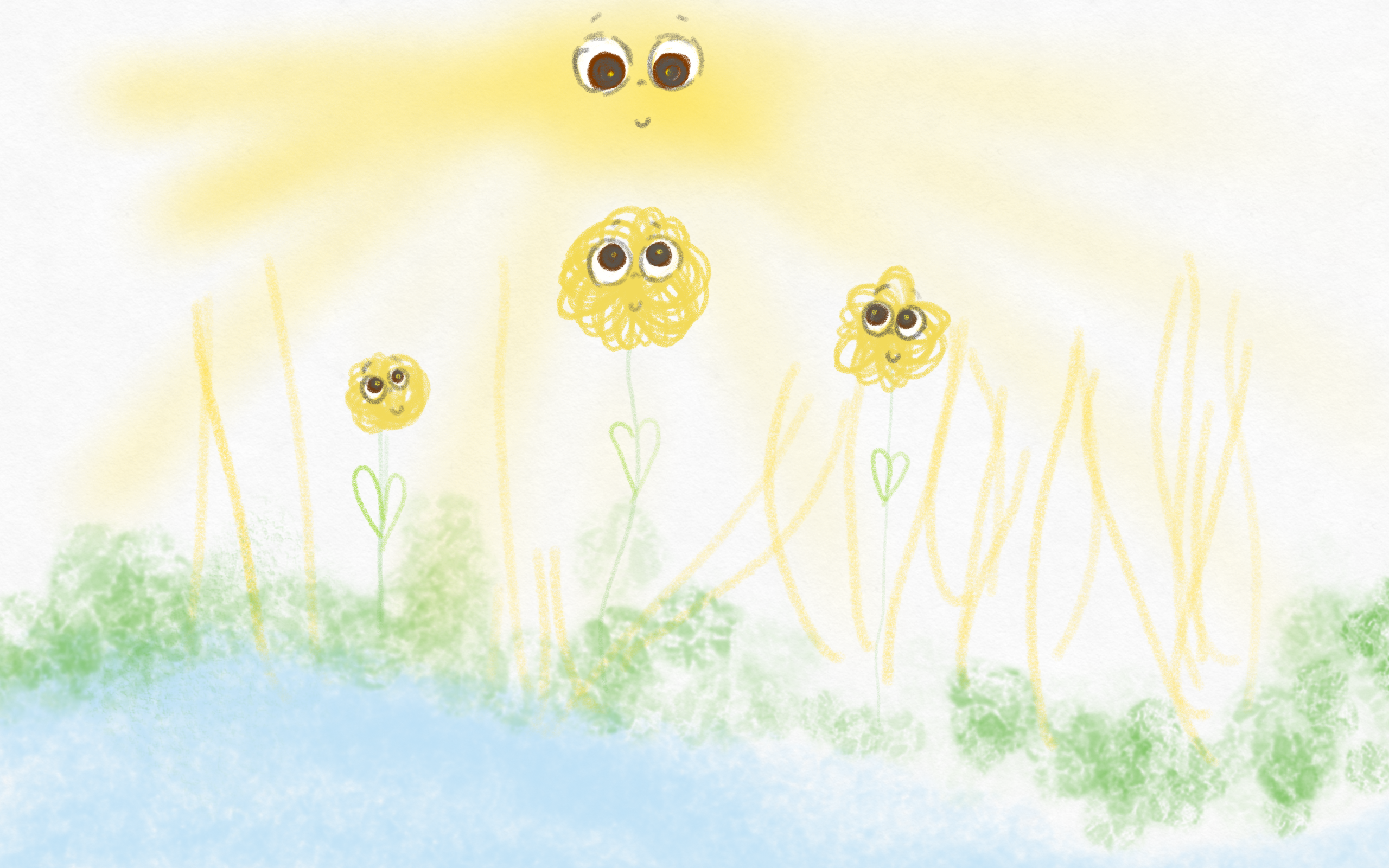
«The Essay» by Valery Popov teaches us to create sincerely. It is very important that the title reflects the genre — this is not simply a short story, it is an essay. An essay is a school genre, a pupil's genre; a genre in which the child's thought, their writing, undergoes a path of becoming. In the toolkit we are helped by the word (it is not for nothing that the Word is one of the characters of the story — it accompanies the protagonist at the moment of his experience of freedom). Memory comes alive in colours, sensations, surfaces, tastes, sounds. For me the most vivid image was the yellow colour, to which a whole paragraph is devoted — the picture of the hero's memories. And though the whole text is built in faltering syntax, like a memory, an impression of the bright picture of the most important day in life, which is embodied in the narrative in one breath — this is the truth, therefore in the very word «essay» for us a new depth is discovered — «essay» is not simply from the word «to compose», to bring in a successful invention that will receive a high mark — it is awareness, memory, learning. It is precisely then that the essay becomes deep, genuine, it turns from the composition of words into the composition of life, into the capturing of the memories of life and of the most important thing that exists for a person in the world.
9th grade, poetry
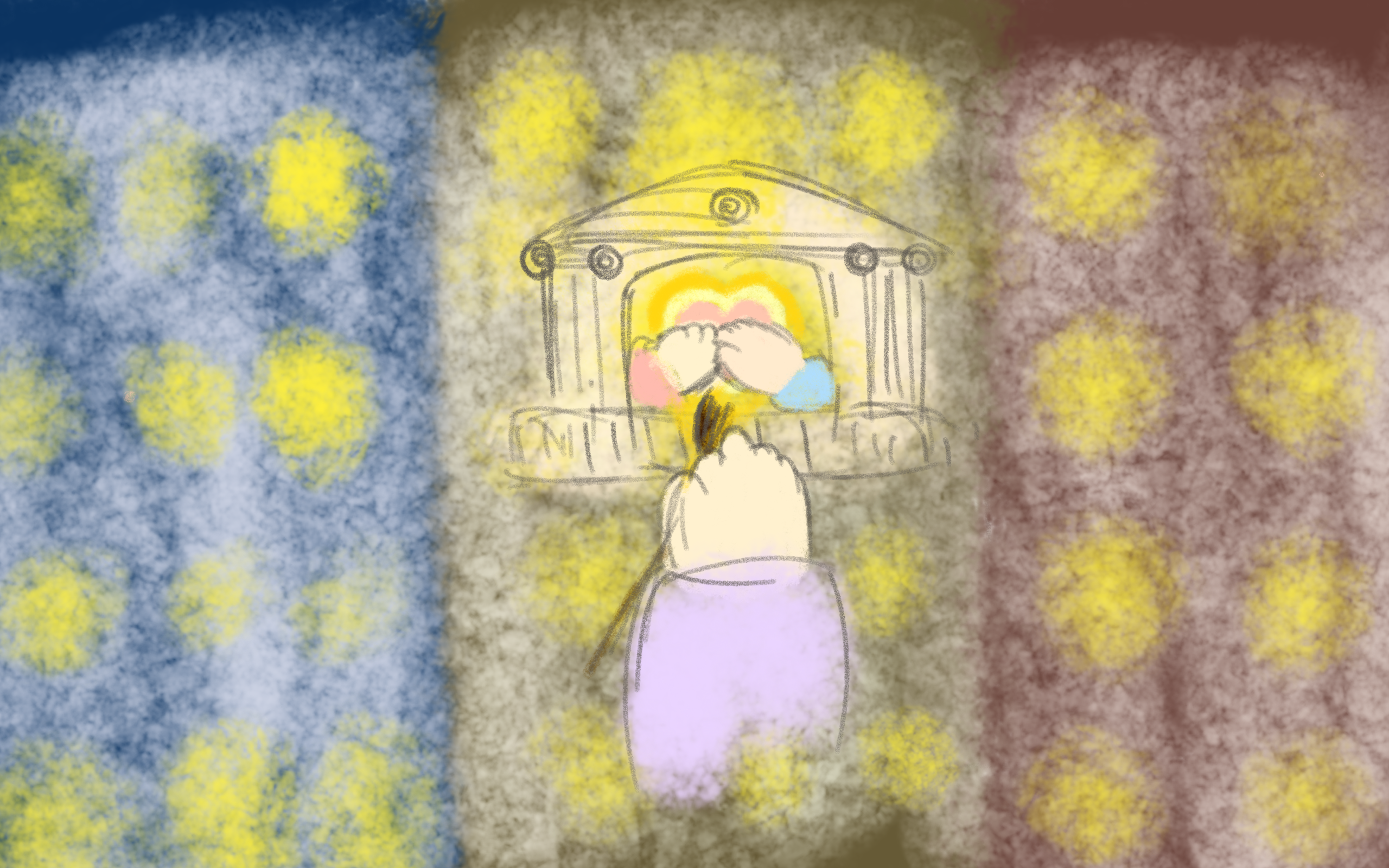
In «Jealousy» by David Samoilov the lyrical hero passes through a path from adolescent hurt to forgiveness and the realization that true love lives in respect, goodwill, and freedom. He wishes happiness not only to the heroine but also to the hero with whom she becomes happy. One can say that the hero passes through a literary path that helps him in realizing the truth: he chooses the ballad rhythm of the verse, turns to high words — his experiences are indeed high and enormous; toward the finale he imagines himself a knight-liberator. But then comes the realization that this revenge will be evil and will bring only misfortune. And love must be happy, therefore the hero transforms the seemingly high revenge, jealousy, into a truly genuine and pure wish for the happiness of those who love.
10th grade, prose
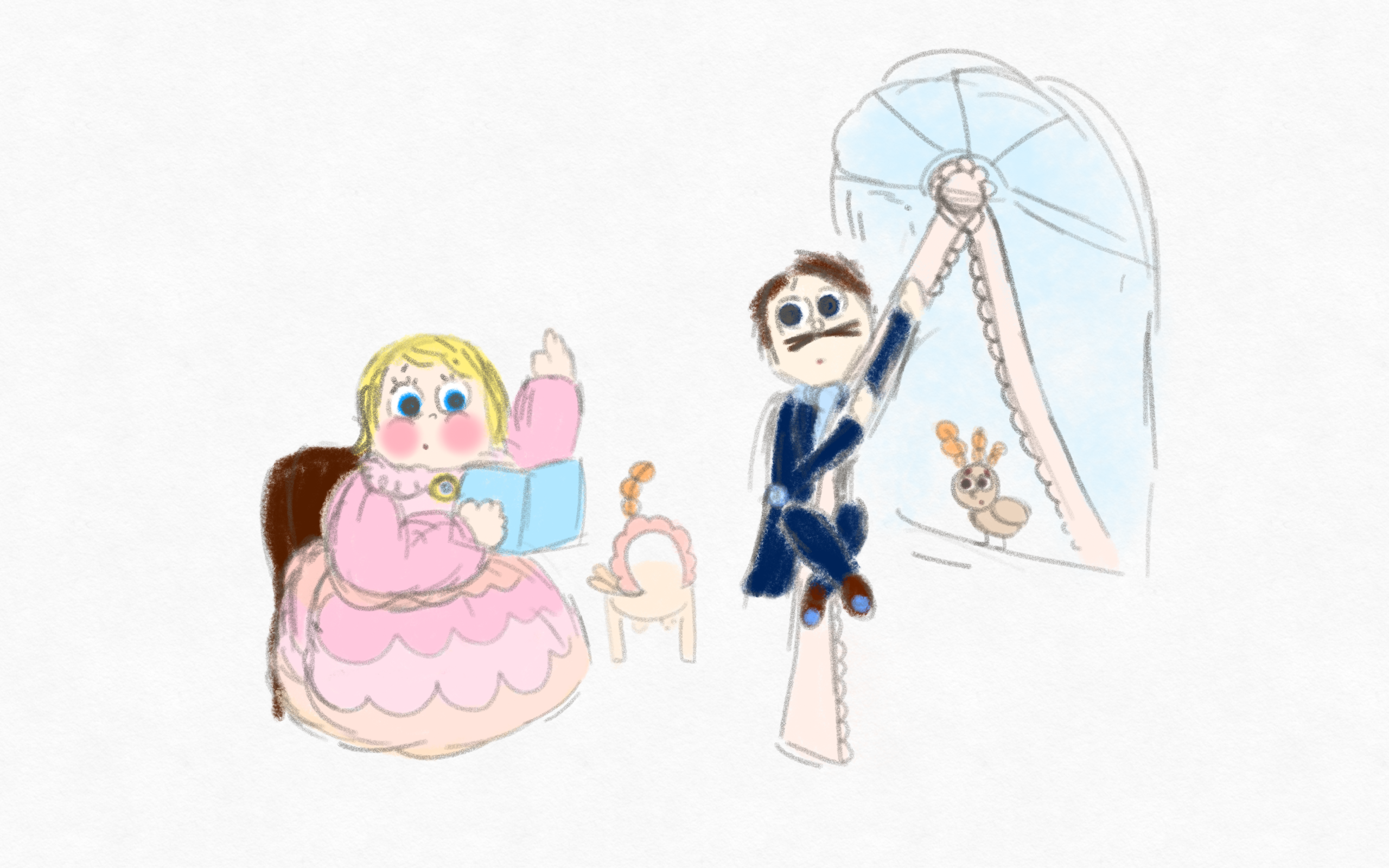
«The Drama» by Chekhov is a drama (again, the title is very important, helping us think about why the mention of this genre serves) of creativity. The heroine sees her creation as interesting, amusing, worthy of reading.
But the conflict (and a drama is always a conflict) lies in the fact that a creation always has a reader, and this reader is not only the creator of his own work. That is, a new point of view on the text appears. And it is with such a point of view that A.P. Chekhov acquaints us.
The discrepancy of views on the result of creativity is told with kind irony; the drawn-out nature of the actions in Murashkina's play and her perception of the text as a serious work is mixed with Pavel Vasilyevich's worries about the dacha and the ribbons — about the earthly, not the lofty. Therefore even the finale of the story does not seem to us bloodthirsty and frightening — it is a final full stop, intended to conclude that creativity has different views on it, for example, completely opposite ones, and such is ultimately the dramatic fate.
What a drama!
10th grade, poetry
When I first read the poem, I immediately saw and said: «oh, bilberry!». And nothing else in this poem resonated with me at all.
I think that children (and I stand by the fact that everyone is called children, even upperclassmen, because the one who chooses the text must in any case do so with the care of an adult for the younger) should not have been given this text. This is a very strange love. In this text I did not understand at all what the conflict consists of. This is, most likely, an adult's story about his first childhood love. Was this love kind? Happy? How did it end? It is not clear at all.
I don't know how to play chess and I don't understand at all what this metaphor has to do with anything. It is poorly developed in the text. What do chess have to do with it?
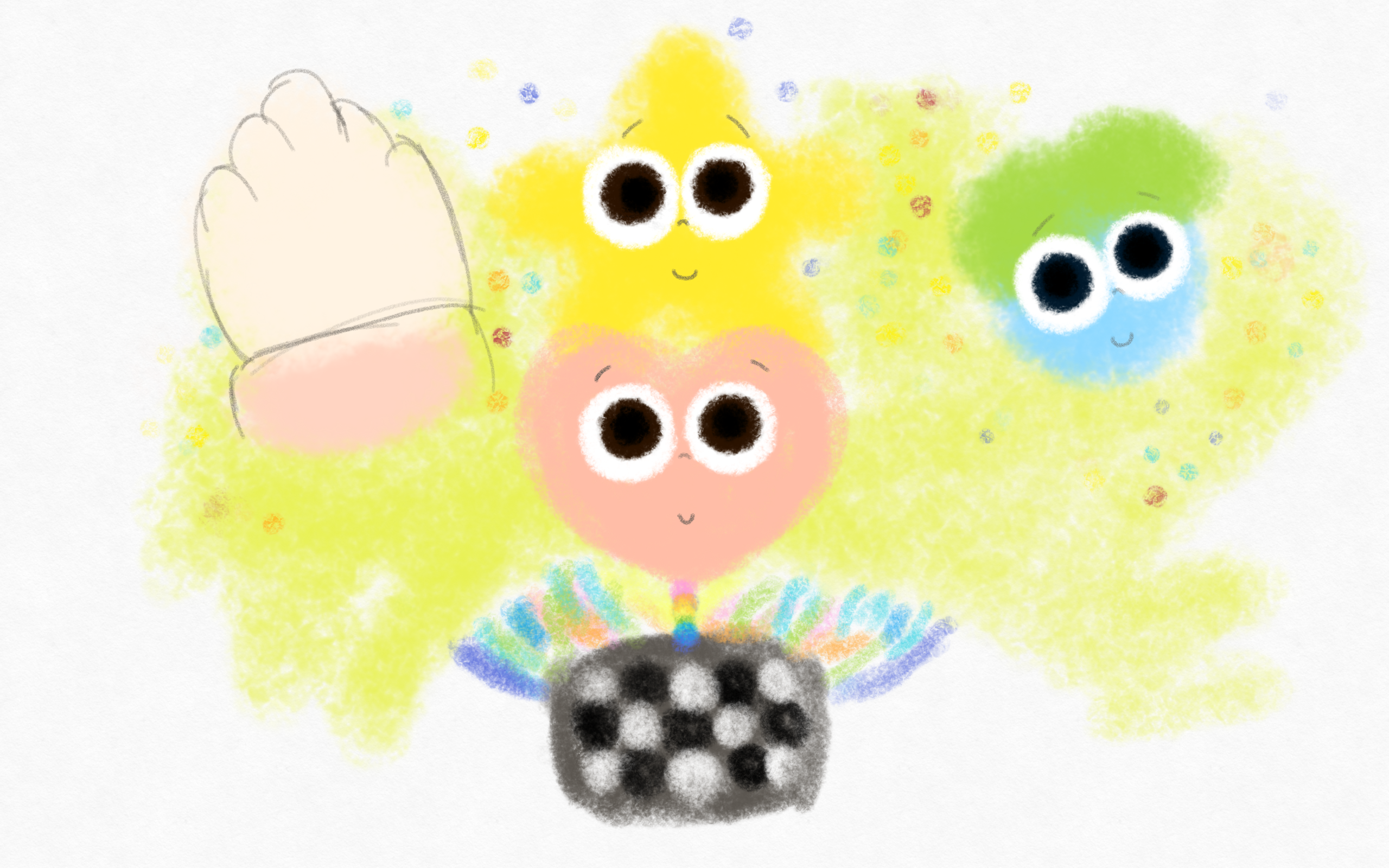
If I had been forced to write an essay on Andrei Shiryaev's poem «Heart and Sun. All the Rest — After...», I would build everything, first, around the flowers, and second, around the summer. There are basic colours, black and white. But in the memories a genuine feeling comes alive, one that is greater than chess-like, play-like calculation, and therefore it acquires colours — these are bilberry and straw. And these coloured, bright feelings are genuine, because they are possible only in childhood. Childhood in this poem is a special state of the hero and a chronotope, because childhood here is a synonym for summer, it is in every sense a time of flowers, heart, and sun. And this is the most real thing, therefore everything else — adult, calculating, small-change — will come after. Therefore it is important to value the present, pure feeling, which gives life and love their colours.
11th grade, prose
What must be in a person's soul for love to be not destructive but saving? How to preserve true love? Is it possible at all?
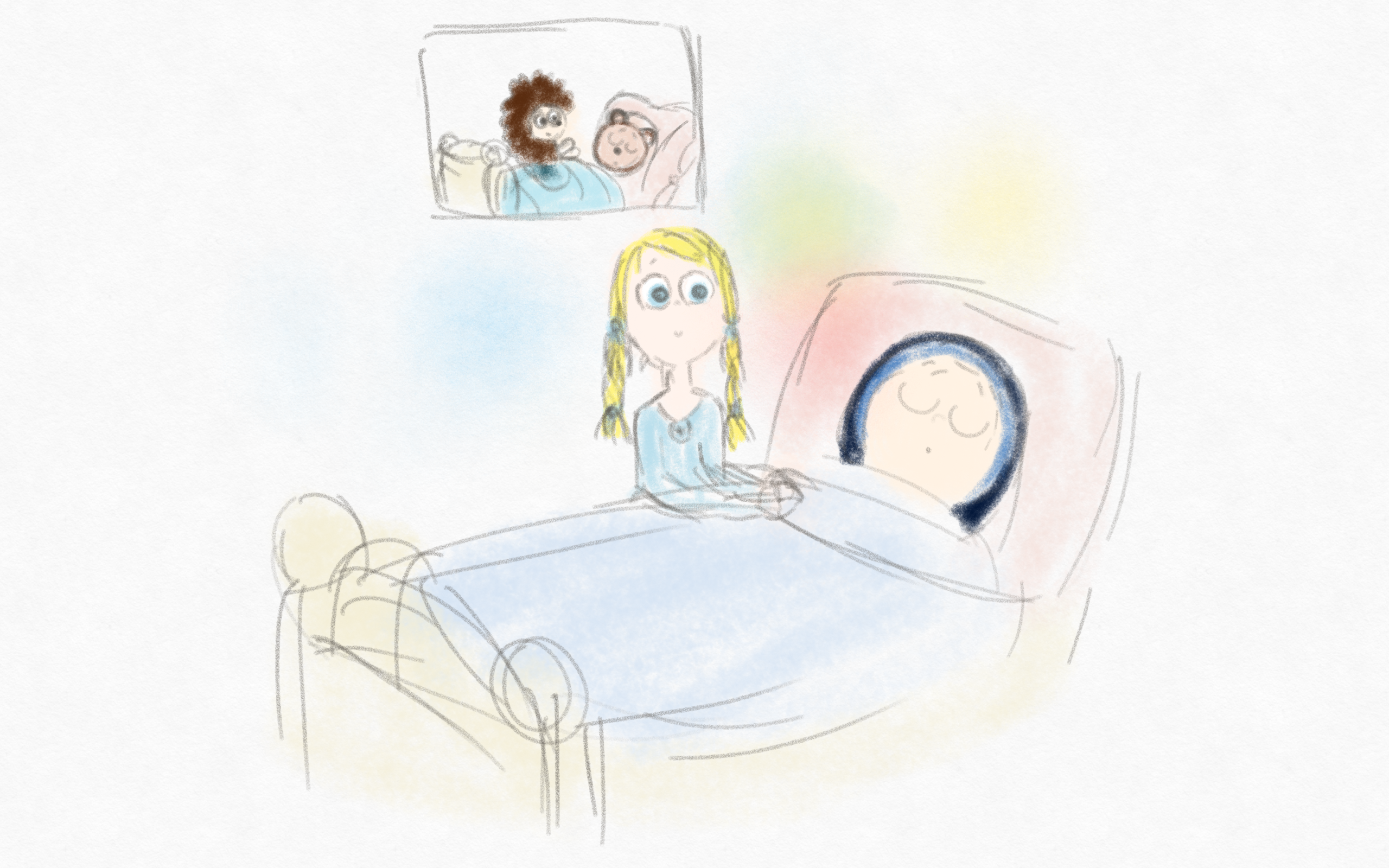
The protagonist of «Frosty Days» by Mikhail Kozyrev falls in love with Marya Ivanovna, who turns out to be the Snow Maiden, and dies of cold. Throughout the story cold and warmth constantly oppose each other. In the climax, just before the kiss, an «incredible cold warmth» emanates from the heroine. That is, it turns out that in the end the warmth of a person's heart must conquer the cold winter, the external, merely apparent cold.
But why then does the hero die? I think that here precisely the key role belongs to the social environment. The action takes place in a state institution; the heroes are surrounded by a regimented life. I think that even an «extraordinarily sounding institution» remains an institution with its hierarchy, rivals, envy, transfers, and a genuine natural miracle cannot fit into such circumstances; love does not sprout in them. The hero dies tragically but receives the only possible liberation. The most important thing is that he falls asleep with a happy smile — and that means that after all love and warmth must win in the world.
(To be honest, I did not like this story very much, especially compared to the wonderful poem that was offered to the 11th grade. The kind meaning rises here somehow artificially. But I hope I was not the only one with this striving)
11th grade, poetry
I analysed this poem somewhat more thoroughly, because I know that many of the children turned to it. And I myself liked it most of all!
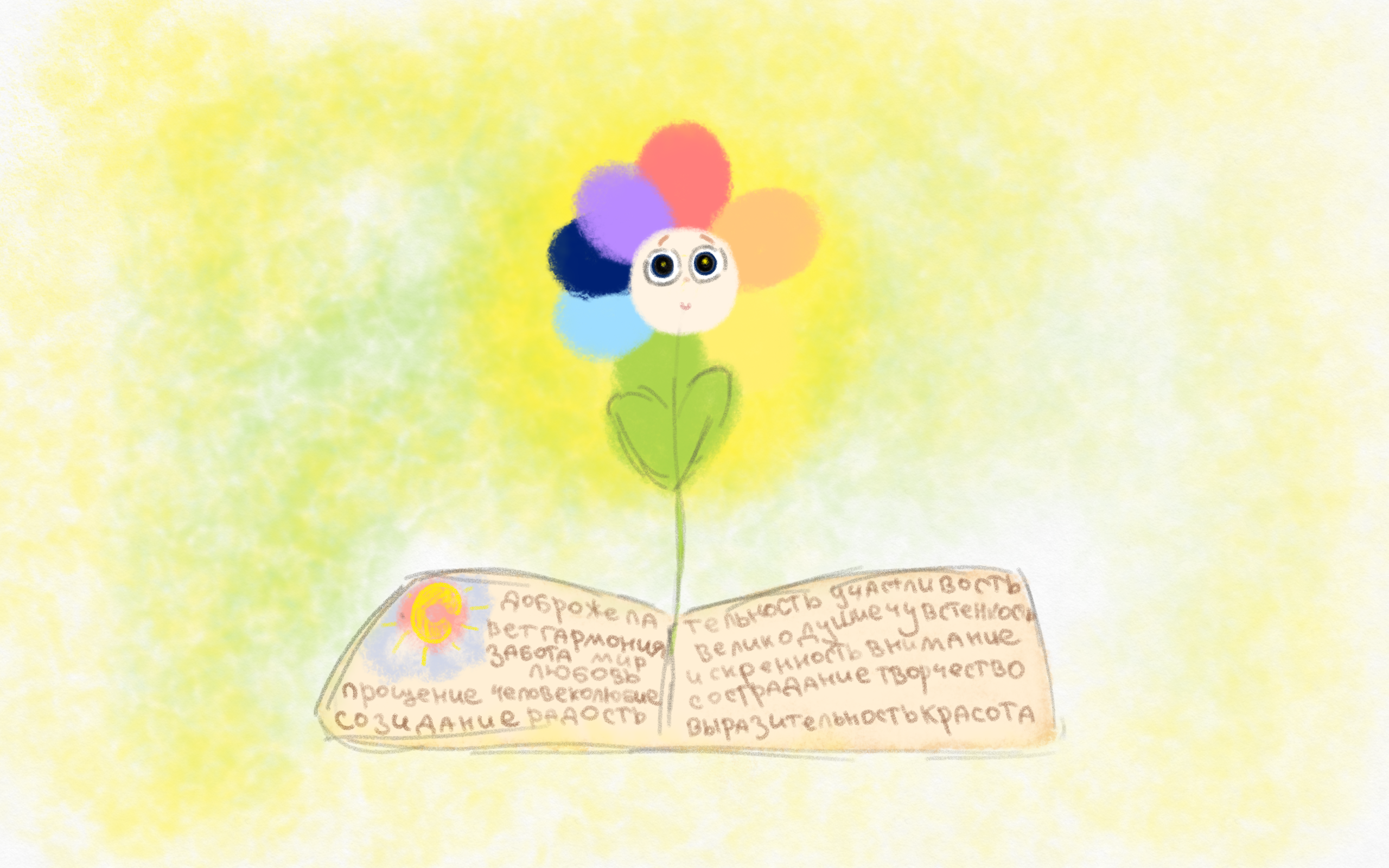
«The Scribe's Confession» by Maxim Amelin is a wonderful poem about the fact that true creativity is greater than a planned, verified text, it is greater than a book, and the meanings in a book are inscrutable and great. It is important here that the title indicates the genre of confession. That is, it is a sincere narrative, intended to reveal to the reader the most secret, perhaps unexpected thing. The protagonist — the scribe — «knows little», but the most important thing: that a book is alive if it contains a movement of thought, a human addition, an error.
The protagonist's craft consists in copying, but it turns out that it is precisely he who is the creator; he does not copy and does not repeat, he «extends himself in the world», extending the life of creativity. The key final line emphasizes that the power of creativity is greater than the power of reason. It is precisely the scribe who not only sees meanings between the lines — he is capable of preserving them in every stroke of the book (it is not for nothing that this is not simply a text but a book, and it speaks precisely of the elements of a book — the initial letter, the titlo). To preserve authenticity is his business, his calling, his creation and his making.
This is revealed in service to his craft. He calls his workplace a «holy abode»; prayer is mentioned twice («for prayers — lips», «and prayers will not help you»). That is, he himself understands that his business is secret, almost sacred, sacral. The character feels time in a completely special way: he lives in a timeless world (he does not remember whether it is thirty or forty years «since he left the abode»; for him «time, like the sand of the ruthlessly written, sifts fragile through a coarse sieve» — that is, time is measured in what has been written, and ruthlessly written — with great effort, desperate diligence, self-sacrifice). We do not understand in what time exactly he lives, also because, describing his life, he turns to archaisms («utensils», «sleeping benches», «lips», «quire»). His world is woven from the texts he copies. Even if he does not read what he has copied, he becomes part of his text, he himself extends in the text and, as he himself says, «in the world». It turns out that he is greater and more significant than a concrete historical time, that his service bears an eternal, all-human role in significance.
The character says three times that he is a scribe (anaphora). Three times he designates what his craft consists of: in the first he says that meanings live between the lines; in the second he tells how these meanings are embodied by him (describes his daily life); and in the third he unites his vision of the craft — he says that his craft is «humble», while it «grants the possibility to extend oneself in the world» and lists important texts for culture with which he worked. He recalls the texts of his craft — «three Psalters, twenty Apostles (there were twelve apostles, but in his life there are more, which also speaks to the fact that the creation of the text becomes greater than the text), nine Paleas, seven Bees, five Hexaemera, and each is unique». That is, each text is valuable, even if something can be counted.
And thus, toward the finale of the poem, the ascetic, almost monastic is united with a high calling, enormous in its meanings.
In conclusion, one can say that in the confession the secret meaning of the book as an artistic creation is affirmed, and of its copying — as creativity, co-creation, and the continuation of oneself, the book, and the meanings in the world throughout all human history.